Thinking about a move to Lynchburg but not sure what life looks like on the ground? You’re not alone. When you relocate, you want clear expectations about jobs, commute times, housing options, and how to buy from a distance without surprises. This guide gives you practical, local context so you can make confident decisions and land smoothly. Let’s dive in.
Why move to Lynchburg
Lynchburg offers small-city ease with regional reach. The city is home to about 80,300 residents, a median owner-occupied value near $229,800, median gross rent around $1,073, and a quick mean commute of 16.8 minutes, according to the latest Census QuickFacts. You’ll also find an owner-occupancy rate just under 50 percent, which supports a healthy mix of renters and owners. Census QuickFacts is a helpful starting point for these snapshots.
For weekend travel and bigger-city amenities, Lynchburg sits within easy driving distance of Roanoke, Charlottesville, Richmond, and Washington, D.C. Local materials often cite about 56 miles to Roanoke, 68 to Charlottesville, 113 to Richmond, and 181 to D.C. You can scan these regional references within the city’s neighborhood overview on LYH Loves You.
Jobs and commuting
Key industries and employers
Education, healthcare, and advanced manufacturing anchor the local economy. City economic development resources consistently highlight Liberty University, Centra Health, Lynchburg City Schools, BWX Technologies, and Framatome as major employers and contributors to growth. Explore the industries and employer landscape on the city’s Work in Lynchburg page. Coverage from Virginia Business has also noted the footprint of firms like Framatome and BWXT in the region.
If you are moving for a specific role, map drive times from candidate neighborhoods to your campus or plant. Many hires look near corridors like Wards Road, Boonsboro, and Timberlake, or just outside city limits for simple commutes.
Commute times and transit
Most residents drive, and the average commute sits around 16.8 minutes per Census QuickFacts. US 29 and US 460 are the primary regional corridors. Around town, the Greater Lynchburg Transit Company operates fixed-route bus service, and Liberty University runs campus shuttles that influence peak patterns. If a short commute is a priority, preview routes during your expected travel times.
Housing and neighborhoods
Market snapshot
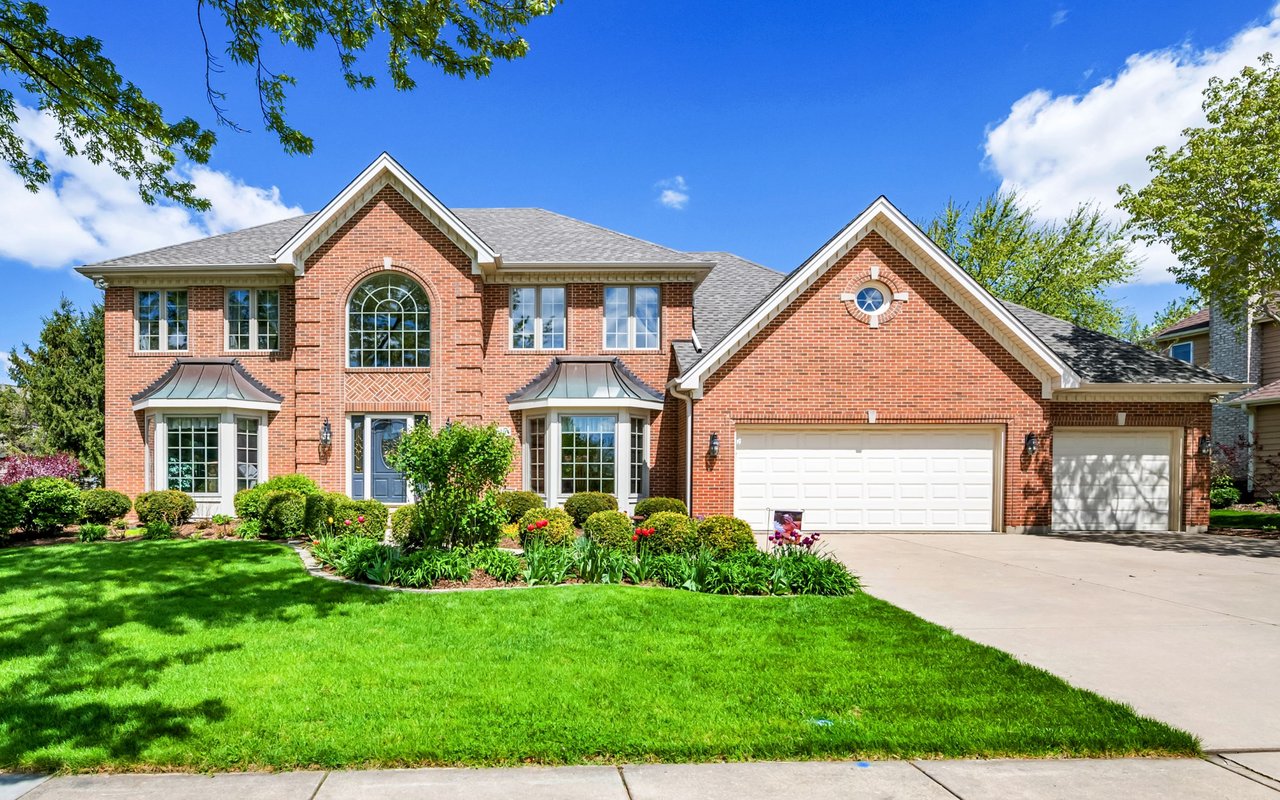
Lynchburg’s housing stock spans historic districts, close-in bungalows and craftsman homes, mid-century ranches, and newer subdivisions. For context, the ACS median owner-occupied value is about $229,800 per Census QuickFacts. Market sources often place typical for-sale values in the mid $200,000s. Exact prices vary by neighborhood, condition, and season, so check current listings with your agent.
Historic districts and character homes
If you love period architecture and tree-lined streets, explore Rivermont Avenue, Daniel’s Hill, Diamond Hill, Garland Hill, Federal Hill, and Court House Hill. These areas feature Victorian, Federal and Georgian influences, Queen Anne details, and early 20th-century styles. For a quick look at the character and history of one district, see the Daniel’s Hill Historic District entry. The city’s neighborhood overview on LYH Loves You also provides helpful context for these areas.
Suburbs, townhomes, and new construction
Buyers seeking newer construction or easier highway access often explore Boonsboro, Cornerstone, Timberlake, Wyndhurst, and pockets along Wards Road and Fort Avenue. You will also find downtown loft-style condos and renovated apartments if you prefer an urban setting. Touring a range of areas will help you weigh space, commute, and maintenance trade-offs.
Buying from out of state
Your timeline and steps
A typical financed purchase runs about 4 to 8 weeks from contract to close. Plan for pre-approval, a focused 1 to 3 day visit or robust virtual tours, offer and negotiation, inspections, appraisal, and final loan approval. Cash or accelerated closings can move faster, but it pays to build in buffer time for underwriting or repair negotiations.
Remote signing and closing in Virginia
Virginia permits electronic notarization and remote online notarization, which can simplify paperwork if you are out of state. Always confirm what your lender and settlement provider accept. You can review the legal basis in the Code of Virginia, Title 47.1.
In many Virginia transactions, title or settlement companies coordinate escrow, disbursements, recording, and title insurance. Attorneys are also used in some cases. An overview from a settlement firm explains how a settlement agent typically handles the process for residential closings. See a general description of roles from Linear Title & Escrow.
Inspections, appraisal, and underwriting
Home inspections usually take place within the first week or two after contract acceptance. Appraisals commonly take up to two weeks depending on availability. Underwriting can add time if the lender requests additional documentation. A local agent can help schedule vendors promptly and keep your timeline on track.
Temporary housing and logistics
Short-term stays while you shop
If you need a landing pad before closing, look into extended-stay hotels, short-term furnished rentals, or corporate housing. The region has multiple chain hotels and furnished options available through national providers and local managers. For a general sense of extended-stay availability in Virginia, browse resources like Places of America.
Utilities, mail, and registrations
Once you are under contract and have a closing date, schedule utility setup for water, sewer, and electric. The City’s FAQ page outlines who to contact and what to expect for account setup and billing. Start with the City of Lynchburg FAQ. Also plan USPS mail forwarding and update voter and vehicle registrations after you establish residency.
How a local agent helps
A trusted local agent is your eyes and ears when you cannot be here in person. They preview homes, share live video tours, flag property quirks, and advise on micro-differences like hills, driveway grades, HOA rules, and seasonal stormwater patterns. They also coordinate inspectors, appraisers, the title company, and movers so your deal keeps moving.
For remote closings, your agent can help you confirm e-sign and notarization options, line up courier services, and negotiate possession timelines that work for both you and the seller. The goal is simple: reduce stress, protect your interests, and get you settled with confidence.
Next steps
If Lynchburg is on your list, start with a clear plan: get pre-approved, shortlist neighborhoods, and schedule a targeted visit or virtual tour block. When you are ready for local guidance and a streamlined process, connect with a relocation-focused pro who can tailor the search to your commute, lifestyle, and budget.
Need a thoughtful, process-driven partner for your move to Central and Southwest Virginia? Reach out to Lisa Santacaterina to talk through timing, neighborhoods, and next steps.
FAQs
What is the average commute time in Lynchburg, VA?
- The mean commute is about 16.8 minutes per U.S. Census QuickFacts.
How much do homes cost in Lynchburg right now?
- The ACS median owner-occupied value is about $229,800 per Census; active market prices often land in the mid $200,000s depending on area and condition.
Which Lynchburg neighborhoods have historic homes?
- Rivermont Avenue, Daniel’s Hill, Diamond Hill, Garland Hill, Federal Hill, and Court House Hill are known for historic architecture and period homes.
Can I close on a Virginia home remotely?
- Yes, Virginia allows electronic and remote online notarization, subject to your lender and settlement company’s requirements.
Who are Lynchburg’s major employers?
- Education and healthcare lead, with Liberty University, Centra Health, Lynchburg City Schools, BWX Technologies, and Framatome widely cited by local economic resources.
Are there public transit options in Lynchburg?
- Yes, GLTC operates local fixed-route bus service, though most residents rely on personal vehicles for daily commuting.