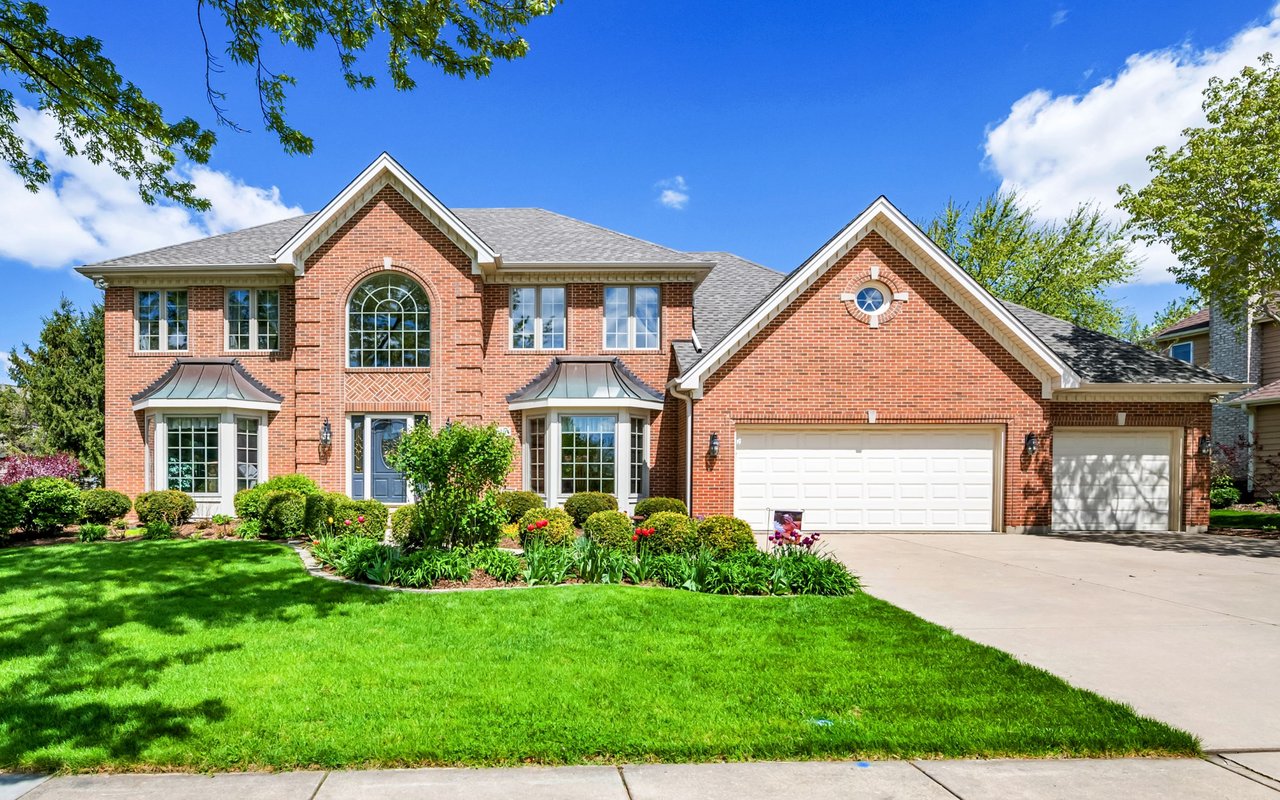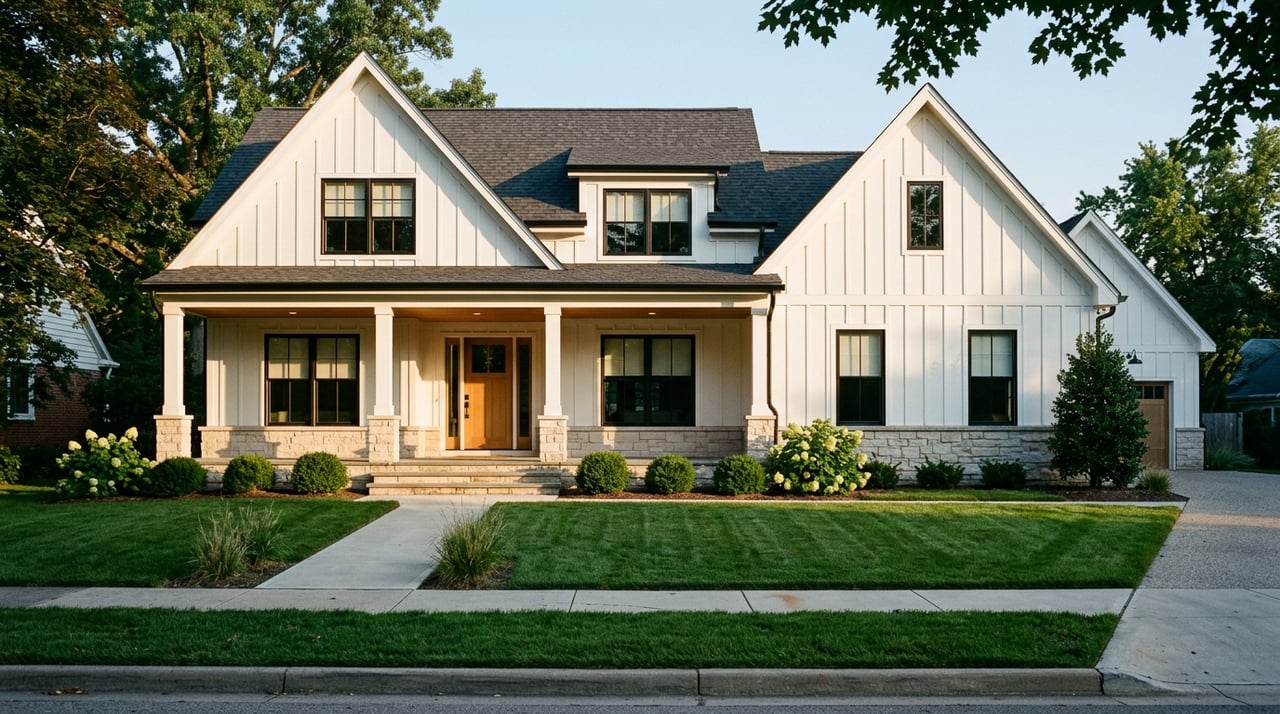
Moving up to your next home can feel exciting and overwhelming at the same time. You are not just buying another property. You are trying to sell your current Lynchburg home for a strong price, protect your equity, and line up the timing so your next move feels manageable. This guide will walk you through how to prepare your home, think about pricing, and plan the sale-and-purchase process with less stress. Let’s dive in.
Understand the Lynchburg move-up market
If you are planning a move-up purchase in Lynchburg, the market still rewards smart preparation. Recent public market snapshots show median sale prices in the mid-$250,000s to upper-$260,000s, with homes generally selling in about 25 to 39 days depending on the source and timing.
That does not mean every home will sell quickly or at top dollar. It means buyers are active, but they are also comparing options carefully. In this kind of market, pricing correctly and presenting your home well can make a real difference in both speed and net proceeds.
Inventory is also improving across Virginia, which can create more opportunities for move-up buyers. At the same time, mortgage rates are still an important part of the equation. Freddie Mac reported a 30-year fixed rate of 6.30% on April 30, 2026, so your monthly payment on the next home deserves just as much attention as your sale price.
Focus on net proceeds, not just sale price
When you move up, the number that matters most is not always the highest possible list price. It is what you walk away with after expenses and how that number supports your next purchase.
You may need funds for your down payment, buyer closing costs, moving expenses, repairs, and even furniture for the new home. Consumer guidance also notes that buyer-side closing costs typically run about 2% to 5% of the purchase price before the down payment. That is why it usually makes sense to protect your cash instead of pouring too much money into major pre-sale projects.
A practical prep plan often beats an expensive one. In Lynchburg, cosmetic updates like paint, fixtures, and landscaping tend to offer a better payoff than large-scale renovations that may not return their full cost.
Prep your home where buyers notice most
The best pre-sale improvements are usually the ones buyers see right away. If your goal is to support a move-up purchase, think clean, simple, and cost-conscious.
Declutter and simplify rooms
Start by removing extra furniture, overflow storage, and highly personal decor. This helps rooms feel larger and easier to understand. It also makes packing easier later, so you are solving two problems at once.
Focus on closets, countertops, entryways, and living areas first. Buyers tend to notice whether a home feels calm and functional. A simpler space helps them picture how the home lives day to day.
Deep clean every surface
A clean home sends a strong signal that it has been cared for. Pay close attention to kitchens, bathrooms, floors, windows, and baseboards. Small details matter because buyers often connect visible cleanliness with overall maintenance.
If you are short on time, professional cleaning can be worth considering. For many sellers, it is one of the most efficient ways to improve first impressions without taking on a major project.
Use fresh paint strategically
Fresh paint is one of the clearest cosmetic upgrades you can make before listing. Neutral, clean-looking walls can brighten a room and help your home feel move-in ready.
You do not need to repaint everything. Focus on high-traffic areas, rooms with scuffs, or bold colors that may distract buyers. The goal is to make the home feel well-kept and easy to step into.
Improve curb appeal
The outside of your home sets expectations before a buyer even walks in. Basic landscaping, trimmed bushes, fresh mulch, and a tidy entry can create a stronger first impression.
You may also want to look at your front door, house numbers, porch lighting, and visible exterior clutter. These are small items, but together they shape how buyers feel before the showing starts.
Fix visible maintenance issues
Loose handles, chipped trim, dripping faucets, stained caulk, and burned-out bulbs may seem minor. To buyers, they can suggest a longer list of unfinished upkeep.
Addressing obvious maintenance items can help your home feel more polished and better cared for. In a market where buyers are comparing homes closely, visible condition can influence both price and timing.
Skip the remodel trap
A move-up sale is usually not the moment for a full renovation. Large projects can eat into the cash you may need for your next purchase, and they do not always return their full cost.
Instead, build a prep plan around updates with clear visual impact. A refreshed, well-maintained home that is priced appropriately often performs better than a heavily upgraded home that is trying to recover every dollar spent.
That approach also keeps your timeline tighter. If you are coordinating a sale and purchase, time matters almost as much as presentation.
Price for your neighborhood, not the headlines
Citywide averages are useful for context, but they should not drive your final list price. Lynchburg neighborhoods can move at very different speeds.
Recent market data shows median days on market of about 27 in Westend, 39 in Midtown, 37 in Linkhorne, 53 in Diamond Hill, and 60 in Miller Park. That is a big enough spread to show why a neighborhood-specific pricing strategy matters.
Public data also suggests well-positioned homes are still selling close to asking. Depending on the source, the sale-to-list ratio is reported around 97.6% to 100%. That supports a simple takeaway: it is often better to price accurately from the start than to test the market with an ambitious number and adjust later.
Why accurate pricing matters for move-up sellers
If you overprice your home, you can lose valuable time. That can create a ripple effect if you are also trying to secure your next home.
If you price based on current comparable sales, market conditions, and your timing goals, you are more likely to attract serious interest early. For a move-up seller, early momentum can make the entire transition easier.
Plan the timing of both transactions
For many homeowners, selling first is the clearest path. It helps you understand how much equity you truly have and can reduce the risk of carrying two mortgage payments at once.
That does not mean there is only one way to move. Your best option depends on your finances, comfort level, and the homes available when you are ready.
Option 1: Sell first, then buy
This is often the simplest approach from a budgeting standpoint. Once your current home is under contract or closed, you have a clearer picture of your funds for the next purchase.
The tradeoff is that you may need temporary housing or a carefully timed purchase plan. Still, many move-up buyers prefer the clarity this route provides.
Option 2: Buy with a sale contingency
If you find the right next home before your current one sells, a home-sale or home-close contingency may help. This type of structure can protect you if your purchase depends on selling your existing property.
In some situations, sellers may pair that with a continue-to-show strategy and a kick-out clause. That allows the seller of the home you want to keep marketing it under certain conditions. It can work, but it requires clear expectations and careful coordination.
Option 3: Use a rent-back
A rent-back can give you extra breathing room after your current home closes. With this arrangement, you sell the home and remain in it for a negotiated period.
This can be especially helpful when your sale closes before your next purchase is ready. It is not the right fit for every situation, but it can reduce moving stress when the timing is tight.
Option 4: Consider bridge financing carefully
Bridge loans can help some buyers purchase before selling. They may also make an offer feel stronger compared with a contingent offer.
Still, this is temporary financing with added cost and complexity. It should be treated as a strategic tool for the right situation, not a default answer for every move-up buyer.
Keep cash reserves for the full move
It is easy to focus all your energy on getting the current home ready. But your next move will come with its own costs too.
Try to leave room in your budget for:
- Buyer closing costs
- Moving expenses
- Utility transfers and setup
- Immediate repairs in the new home
- Furniture or storage needs
- Overlap costs if timing does not line up perfectly
Cash flexibility can make a move-up purchase feel much less stressful. It also gives you more room to make decisions based on fit and timing instead of pressure.
Remember Lynchburg tax timing
If your current home is in the City of Lynchburg, local real estate tax timing is worth keeping in mind as you plan your move. For 2025-2026, the city real estate tax rate is $0.84 per $100 of assessed value, and taxes are billed in four installments due November 15, January 15, March 15, and May 15.
The city says the tax roll runs from July 1 through June 30. If you expect to own one property while preparing to close on another, this local schedule can affect your short-term carrying costs and your closing calculations.
Know when local guidance matters most
Move-up sellers usually benefit most from local advice in three moments: when setting the list price, when estimating net proceeds, and when deciding how to coordinate the sale with the next purchase.
In Lynchburg, neighborhood timing can vary, inventory conditions are changing, and the financial side of the move often includes more than one closing. A tailored plan can help you avoid over-improving the house, underpricing the home, or creating unnecessary pressure in your purchase timeline.
If you are thinking about a move-up purchase in Lynchburg, the smartest first step is often a clear strategy built around your home, your neighborhood, and your budget. When you understand what your home may realistically sell for and how that supports the next move, the path forward gets much easier.
If you want hands-on guidance, tailored pricing insight, and a clear plan for selling and buying with less stress, Lisa Santacaterina is here to help.
FAQs
What should move-up sellers in Lynchburg fix before listing?
- Focus on visible, high-impact items like decluttering, deep cleaning, fresh paint, curb appeal, and small maintenance repairs rather than major renovations.
How long does it take to sell a home in Lynchburg?
- Recent public market snapshots show homes selling in roughly 25 to 39 days on average citywide, but timing can vary meaningfully by neighborhood.
Why does neighborhood pricing matter in Lynchburg?
- Neighborhoods have different market speeds, with recent median days on market ranging from about 27 in Westend to 60 in Miller Park, so pricing should reflect local comparable sales and conditions.
Should you sell your Lynchburg home before buying the next one?
- Many homeowners choose to sell first so they can better understand their equity and avoid the risk of carrying two mortgages at once.
What costs should move-up buyers budget for after selling?
- Plan for buyer closing costs, which often run about 2% to 5% of the purchase price before the down payment, plus moving costs, repairs, furnishings, and possible overlap expenses.
How do Lynchburg real estate taxes affect a move-up plan?
- If your home is in the City of Lynchburg, real estate taxes for 2025-2026 are billed in four installments, so tax timing may affect your carrying costs and closing math if you own two homes briefly.