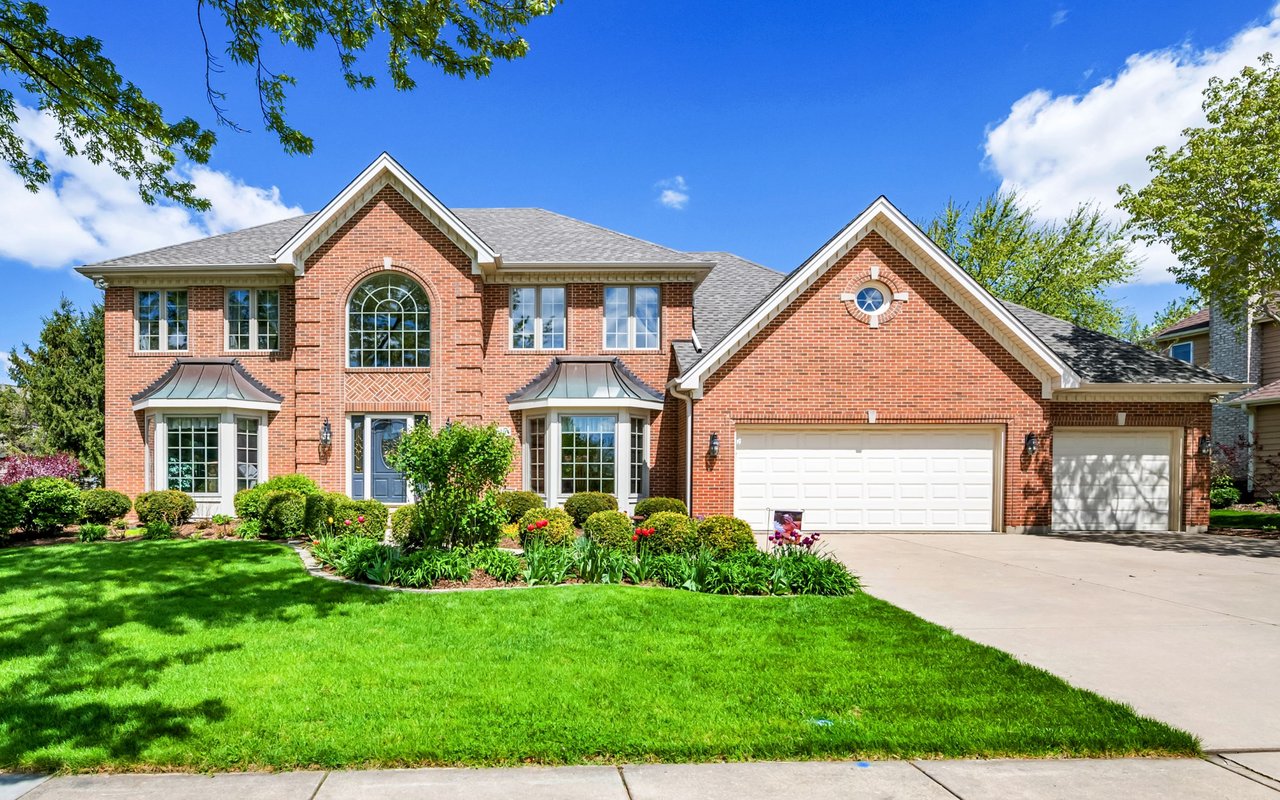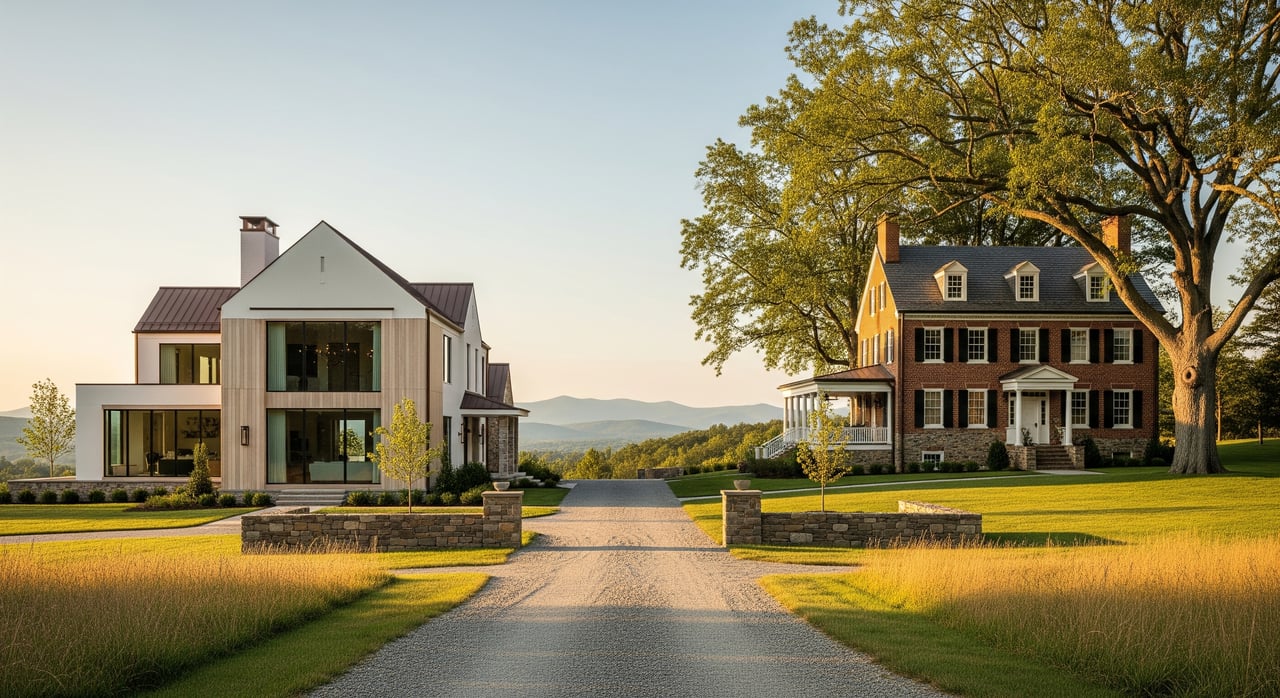
Trying to decide between a brand‑new build and a resale home in Roanoke County? You are not alone. With our mix of mountain views, suburban neighborhoods, and rural acreage, both paths can fit well. In this guide, you will learn the true cost differences, timelines, risks, and local factors that matter here, plus practical checklists to make your decision easier. Let’s dive in.
Upfront costs and financing
Purchase price and upgrades
New construction often carries a premium for modern layouts, energy‑efficient systems, and the ability to personalize finishes. Builders typically advertise a base price, then add upgrade packages and lot premiums. Resale homes can be priced lower upfront, but you should budget for renovations or system replacements that may be needed in the first few years.
Closing costs and incentives
Builders frequently offer incentives like closing cost credits, rate buydowns, or design upgrades. Resale sellers may offer concessions after inspections. With new builds, watch for line‑item extras that affect the final price, such as utility tap fees, stormwater or erosion control requirements, or driveway and curb costs. Ask for a full estimate in writing so you can compare apples to apples.
Taxes and recurring costs
Property taxes are set by Roanoke County and assessments update over time. A newly completed home may see a higher assessed value after the final inspection and occupancy. Check current assessment practices with the Roanoke County Commissioner of the Revenue. Also factor in HOA dues. New subdivisions may have developing budgets, while established neighborhoods often have longer HOA histories.
Loan types and construction financing
Most buyers in our region use conventional, FHA, VA, or USDA loans. If you want a custom build, you may need a construction loan that converts to a permanent mortgage. Many spec homes use a standard purchase mortgage. For a clear overview of how construction loans work, review the CFPB guide to construction loans. If you hope to use USDA financing, check the USDA Rural Development eligibility maps to confirm property eligibility. For VA buyers, confirm builder acceptance and appraisal requirements upfront.
Appraisals and pricing risk
New homes sometimes face appraisal gaps if recent comparable sales are limited or market conditions shift. Lenders rely on nearby comps, so discuss how you will handle a potential gap before you sign. For resales, appraisals are usually supported by a deeper pool of local comps, but market changes can affect both paths.
What to budget for
- Earnest money or builder deposit
- Closing costs and prepaid items
- New build upgrades, lot premiums, and utility tap fees
- Inspection fees, appraisal, survey, and title
- Immediate repairs or updates on a resale
- HOA initiation and ongoing dues
For current market pricing trends, review the Roanoke Valley Association of REALTORS market reports and compare with your lender’s updated rate scenarios.
Timeline and process
New construction timing
Timelines vary based on whether you buy a completed spec home or build to contract. A spec home might be ready in a few months. A to‑be‑built home can take 6 to 12 months or more depending on permits, weather, supply chains, and builder schedules. Ask your builder for a written schedule and what happens if delays occur.
Resale purchase timing
Most resales close in 30 to 60 days, depending on financing and seller needs. Expect a standard contingency period for inspections and appraisal. If you need to sell before you buy, talk with your agent about timing strategies that protect your flexibility.
Permits and inspections
Roanoke County follows the Virginia Uniform Statewide Building Code. New construction requires sequential county inspections, including footing, foundation, framing, mechanical, insulation, and final. Learn about permitting and inspections with Roanoke County Building Inspections and the Virginia Uniform Statewide Building Code. Even with builder and county inspections, it is smart to hire your own inspector for pre‑drywall and final walkthroughs. For resales, schedule a full home inspection and consider radon and termite/WDI inspections.
Negotiation and contingencies
Resale offers commonly include inspection and financing contingencies, with room to negotiate repairs or credits. New construction contracts may limit price negotiation, but you can often negotiate incentives or upgrade allowances. Builders may require non‑refundable deposits and defined change‑order processes, so read the contract carefully.
Performance, warranties, and maintenance
Energy efficiency
New homes must meet current energy codes and often include higher insulation levels, efficient HVAC, and ENERGY STAR appliances. This can reduce utility costs compared to older homes, though actual savings depend on builder practices and the features you choose. Review the current statewide standards via the Virginia Uniform Statewide Building Code.
Warranty basics
Many builders offer a limited “1‑2‑10” style warranty, typically one year for workmanship, two years for systems, and ten years for major structural items. Always review the written warranty, including what is covered, excluded, and how to file claims. For resales, you can consider a one‑year home warranty plan, but coverage varies by provider.
Maintenance expectations
With a new home, upfront maintenance tends to be low, though you may need to manage landscaping, seeding, and normal settling. Older homes can require more immediate updates like roofing, HVAC, water heaters, or electrical improvements. Budget for the big items during your first five years of ownership.
Site and local factors in Roanoke County
Water, sewer, septic, and wells
Parts of Roanoke County are on municipal water and sewer, while outlying or higher elevation lots may need a well and septic system. Before you commit to a lot, verify utility availability and any tap fees with the County. For septic, confirm percolation testing and for wells, confirm expected yield.
Grading, drainage, and stormwater
New subdivisions must comply with County stormwater and erosion control rules. In hilly areas, grading and drainage plans matter for long‑term performance and maintenance. Ask your builder for the lot’s stormwater design and how runoff is managed. Learn about local requirements with Roanoke County Planning and Zoning.
Zoning, setbacks, and covenants
Zoning controls setbacks, accessory structures, and how you can use the property. Many new communities have HOA covenants that guide exterior finishes, fencing, and landscaping. Request the HOA documents upfront and read the rules before you buy.
Environmental constraints
Slope, floodplain, and karst features can affect design, cost, and insurance. Review floodplain data through the FEMA Flood Map Service Center and ask the County about any site constraints. Insurance premiums can vary with location and features, even on newer homes.
Commute and neighborhood context
Proximity to I‑81 and I‑581, along with access to Roanoke City, can influence daily life. Areas like Bonsack, Cave Spring, Vinton, and parts of Bent Mountain each offer different settings and lot types. Visit at different times of day, drive your commute, and consider access to parks, trails, and services that fit your routine.
Resale value and neighborhood maturity
Established neighborhoods often offer mature landscaping, nearby parks, and a track record of comparable sales. Newer subdivisions may provide modern amenities, sidewalks, and community spaces. For either path, location and long‑term neighborhood desirability usually outweigh the home’s age. To understand pricing momentum and days on market, review current reports from the Roanoke Valley Association of REALTORS and compare nearby closed sales.
Decision checklists
If you are leaning new construction
- Confirm the builder’s license and ask for local references
- Ask what is included in the base price versus upgrades, and request a written allowances list
- Review the full warranty package, including coverage and claims process
- Clarify who completes punch‑list items and by when
- Confirm County inspections, plus whether you can schedule independent pre‑drywall and final inspections
- Review financing options, incentives, and acceptance of VA, FHA, or USDA
- Evaluate the lot, including drainage, grade, view corridors, easements, and nearby planned development
- Review HOA covenants, fees, and design guidelines
- Ask about timelines, delay remedies, and deposit refundability
If you are leaning resale
- Request seller disclosures, recent utility bills, and maintenance records
- Budget for inspections and potential near‑term repairs or updates
- Research neighborhood trends, planned developments, and zoning context with Roanoke County Planning and Zoning
- Consider a one‑year home warranty if you want added peace of mind
Coordinating a sale and a new build
- Plan for timing gaps with contingencies, bridge financing, or temporary housing
- Estimate net proceeds, closing costs, and possible tax changes with your lender and advisor
- If a builder offers trade‑in or guaranteed sale programs, review fees, appraisal terms, and eligibility in detail
How to choose what fits your goals
If you want personalization, updated systems, and lower short‑term maintenance, new construction can be a great fit. If you value an established neighborhood, mature trees, and a quicker move‑in, a resale may be your best path. In Roanoke County, lot and location often drive long‑term value more than age alone. Before you decide, review current market metrics with RVAR’s reports, confirm property‑specific details with Roanoke County Building Inspections, and double‑check financing with your lender.
When you are ready to compare real homes and lots side by side, reach out. You will get clear coaching, local insight, and a plan that matches your timeline and budget. Connect with Lisa Santacaterina to map your next steps.
FAQs
Is a new home in Roanoke County always more energy efficient?
- Typically yes, because new homes must meet current energy codes and often include efficient HVAC and insulation, though exact performance depends on the builder and features you choose.
Should I hire an inspector for a new build in Roanoke County?
- Yes, schedule independent inspections at key stages, such as pre‑drywall and final, to catch defects or incomplete work beyond the builder and county inspections.
Do new construction homes come with warranties?
- Most builders offer limited warranties, often a 1‑2‑10 structure, so review the written terms, coverage limits, and claims process before you sign.
Can I use VA or USDA loans for new construction in Roanoke County?
- Many builders accept VA for spec or completed homes, while custom construction may need a construction loan, so confirm program requirements with your lender and the builder.
Which has better resale value in Roanoke County, new or resale?
- Location and neighborhood desirability usually matter more than age, so a well‑located, well‑maintained home often outperforms a newer home in a less favorable location.