Thinking about moving to Salem, VA? You want a friendly city that still connects you to big-city services, good schools, and everyday convenience. You also want clear steps so your move feels simple and your decision feels smart. This guide gives you a practical overview of housing, schools, commutes, jobs, amenities, and the logistics that matter most. Let’s dive in.
Why Salem works
Salem is an independent city in the Roanoke Valley with its own local government and school division. It sits next to the city of Roanoke, so you get a small-city feel with access to a larger metro’s jobs, healthcare, and culture. Roanoke College adds energy and events, while the Salem Civic Center brings concerts, shows, and community gatherings.
If you are relocating for work, starting fresh, or downsizing, you will find a mix of neighborhoods, regional outdoor access, and a steady calendar of local events. Many residents work in Salem or commute across the valley. The balance of convenience and community is the draw.
Housing overview and what to expect
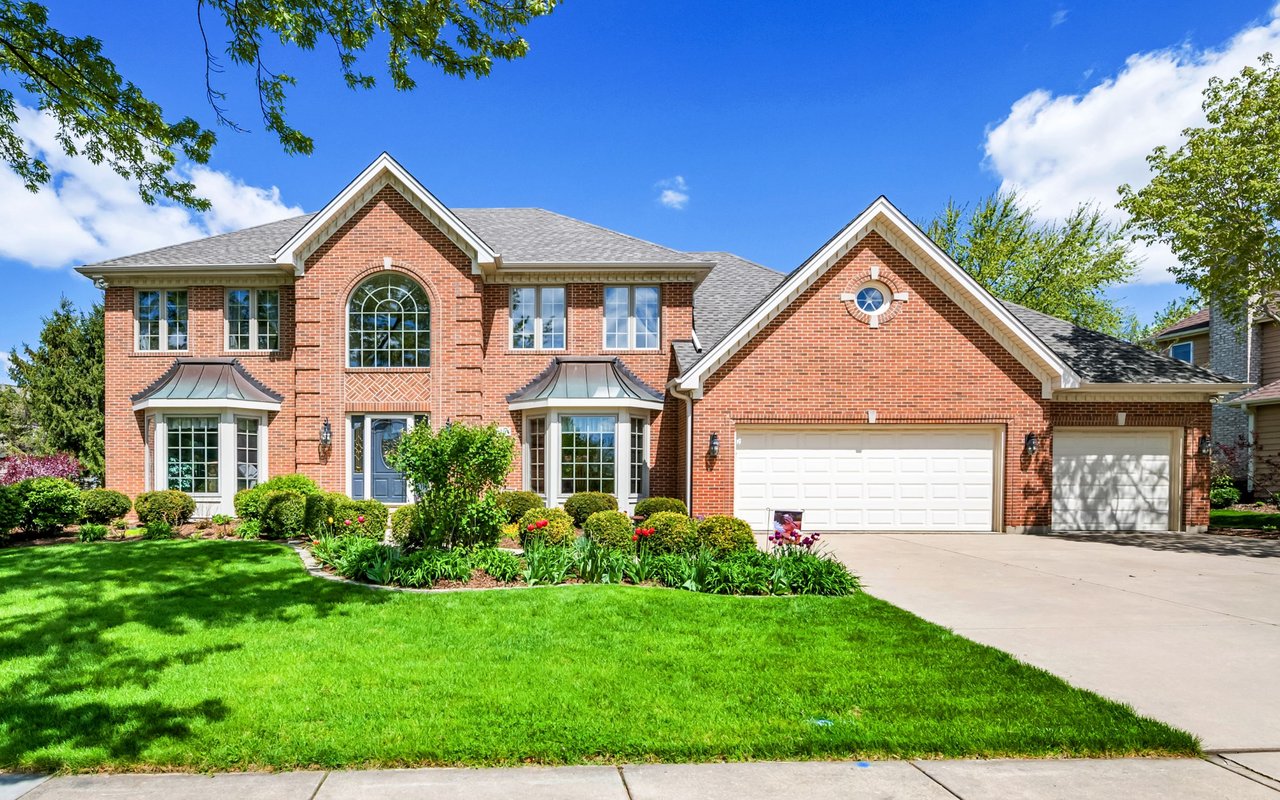
You will see a range of homes: early to mid-20th-century houses near central Salem, post-war ranches and bungalows, and newer subdivisions with larger lots. Townhomes and some multifamily options round out the mix. Yard size, commute, price, and age-related maintenance are the main tradeoffs to consider.
- Entry-level options often include smaller single-family homes and townhomes.
- Mid-market homes tend to be in established subdivisions with more space and garages.
- Higher-price homes may offer larger lots or newer construction.
When comparing Salem to adjacent Roanoke listings, look at price per square foot, lot size, and home age. Older homes may come with charming details and mature trees, while newer builds often deliver efficiency and lower maintenance.
Buying process basics
- Typical contingencies include inspection and appraisal. Your agent will help tailor timelines to the local market.
- For older homes, pay close attention to roof age, foundation and drainage, heating and cooling systems, and water heaters.
- Consider testing for radon and checking for moisture in basements or crawl spaces.
Seller tips for Salem
- Tackle deferred maintenance common in older homes, especially roofing, HVAC, and exterior wood.
- Light updates in kitchens and baths, plus strong curb appeal, can widen your buyer pool.
- Highlight proximity to Roanoke services, local parks, and community events.
Neighborhood snapshots
Without naming every micro-area, here is how many buyers sort options in Salem:
- Central and downtown-adjacent: Older homes, walkable blocks, smaller lots, quick access to college and civic events.
- Western and border areas: Suburban feel, a mix of ranches and two-story homes, larger yards in some pockets.
- Newer subdivisions: More recent construction, neighborhood amenities vary, and maintenance needs may be lighter.
- Townhomes and condos: Lower maintenance options for busy professionals, downsizers, and first-time buyers.
If a specific school boundary or commute is important, confirm the exact address details before you write an offer.
Schools and education
Salem City Public Schools is an independent school division separate from neighboring localities. Families often review school report cards, programs, and transportation options. Because boundaries can change, verify the attendance zone for a home before you buy.
Roanoke College is located in Salem and adds lectures, performances, and seasonal events to the community. You will also find regional private schools and higher education options across the Roanoke area. For the most current information, check official school and college websites and the Virginia Department of Education.
Getting around and travel
Salem connects easily across the Roanoke Valley via regional arterials and interstate access. Many residents commute into Roanoke or to employers throughout the valley. Public bus service operates in the region, with options that link Salem to neighboring areas. If you travel often, the Roanoke-Blacksburg Regional Airport is the nearest major airport. Amtrak service is available in the region for longer trips.
Seasonal weather can affect mountain-area roads. If you commute during early mornings or evenings in winter, build in extra time and consider vehicle traction and parking options.
Jobs and healthcare
Salem participates in a diverse regional economy. Employment centers commonly include healthcare, higher education, manufacturing, logistics, and professional services. Some residents work in Salem, while many commute to Roanoke and surrounding towns.
Healthcare access is strong across the Roanoke Valley, with hospitals, urgent care clinics, and specialists serving residents close by. If proximity to a specific provider matters to you, verify locations and accepted insurance before you finalize a home choice.
Lifestyle, parks, and everyday amenities
Life in Salem is active and community-focused. You can explore local parks and greenways, then drive a bit farther for Blue Ridge Mountain hikes and Appalachian Trail day trips. The Salem Civic Center hosts concerts, sports, and trade shows, and the area supports farmers markets, local dining, and small businesses.
Here is a simple weekend sampler to picture your days:
- Morning: Coffee and a stroll through a park or greenway.
- Midday: Catch a local game or college event when in season.
- Afternoon: Hike a nearby trail or visit a regional attraction.
- Evening: Dinner at a local restaurant, then a show at the civic center when the calendar lines up.
Costs, taxes, utilities, and permits
Housing is the biggest cost factor for most buyers. For broader cost-of-living comparisons, review reputable indexes and weigh housing, utilities, groceries, and transportation. Property taxes are set by the City of Salem, and the state sets sales tax with possible local additions. Confirm current rates and due dates with official city and state sources.
Utilities and services to plan for:
- Water and sewer: City of Salem.
- Electricity and natural gas: Local providers serve the region. Check coverage for your address.
- Trash and recycling: Review city service details and pickup days.
- Internet and cable: Several broadband providers operate in the area; verify speeds and availability.
If you plan renovations, review the city’s permitting and zoning requirements. Some properties may sit in historic or conservation areas that affect exterior changes. Also check FEMA flood maps to understand any floodplain considerations for a specific address.
Moving logistics and local due diligence
Make your move smoother with a simple timeline:
- Consultation and pre-approval: Define needs, budget, and timing.
- Home search: Tour neighborhoods and compare address-specific details like schools, commute, and utilities.
- Offer and contract: Align contingencies, deposit, and closing date.
- Inspections and appraisal: Schedule home, radon, pest, and any specialty inspections.
- Repairs and underwriting: Negotiate fixes, review lender conditions, and clear title.
- Final walk-through and closing: Confirm condition, utilities, and keys.
Home condition considerations in the Salem area:
- Roofing and gutters: Age and water management.
- Foundations and drainage: Look for moisture in basements and crawl spaces.
- HVAC and water heaters: Service history and remaining life.
- Termites and pests: Schedule a wood-destroying insect inspection.
- Radon: Consider a test, especially for homes with basements.
Before closing, plan your move-in details:
- Transfer or start utilities with service providers.
- Review property disclosures, HOA rules if applicable, and any deed restrictions.
- Confirm school enrollment steps and transportation options if needed.
- Register vehicles and update voter registration with the city.
Your next steps
If Salem feels like a fit, the right local guidance will make your move easier. You will get clear coaching on neighborhoods, due diligence, and a process that stays on track. If you are selling, you will benefit from targeted marketing and a strategy that showcases your home at its best.
Ready to explore homes or build a plan? Connect with Lisa Santacaterina for personalized, local support.
FAQs
What should I know about moving to Salem, VA?
- Salem is an independent city in the Roanoke Valley with its own schools and services, plus easy access to regional jobs, healthcare, and outdoor recreation.
How does Salem’s housing compare to nearby Roanoke?
- Buyers often compare price per square foot, lot size, and home age. Salem offers older homes near the center and newer subdivisions, similar to parts of Roanoke.
Which schools serve Salem addresses?
- Salem City Public Schools serves the city. Always verify the attendance zone for your exact address and review programs on official school and state sites.
What are common home inspections in Salem?
- General home, radon, and pest inspections are common. Focus on roof, foundation, drainage, HVAC, and water heater in older homes.
How are commutes and travel options in Salem?
- Salem connects across the valley via regional arterials. The area has public bus service, nearby interstate access, and the Roanoke-Blacksburg Regional Airport.
How do I set up utilities when I arrive?
- Start water and sewer with the City of Salem, then set up electricity, gas, internet, and trash service with local providers that cover your address.