Thinking about a Roanoke Valley move where you keep mountain views and easy access to town? Choosing the right suburb can feel overwhelming when you are weighing commutes, schools, parks, and budget. This snapshot gives you a clear feel for daily life in Roanoke County so you can picture yourself here. You will see commute patterns, neighborhood styles, outdoor options, and practical buyer tips. Let’s dive in.
Quick orientation to Roanoke County
Roanoke County wraps around the independent City of Roanoke and includes communities like Cave Spring, Hollins, Bonsack, Vinton, and Bent Mountain. You are close to the Blue Ridge foothills and major regional highways, which makes errands and weekend adventures simple. Daily life is shaped by a mix of suburban corridors, rural ridgelines, and the broader Roanoke Valley job centers.
Commute snapshot
Many residents commute into the City of Roanoke, Salem, and nearby employment clusters. Major routes include I‑81, the I‑581 and US‑220 connector into downtown Roanoke, and Route 419, also known as Electric Road. Many trips are under 30 to 40 minutes depending on origin, destination, and traffic. Public bus service reaches portions of the county but overall coverage is limited, so park‑and‑ride and driving are common.
Errands, dining, and everyday stops
You will find groceries, retail strips, and mid‑size centers along main corridors, with bigger shopping and more dining choices closer to downtown Roanoke and major commercial nodes. Local centers in places like Vinton and Cave Spring offer restaurants, coffee, and services for quick stops. Across the valley, the food scene includes craft breweries and farm‑to‑table options.
What homes look like here
Established suburban neighborhoods
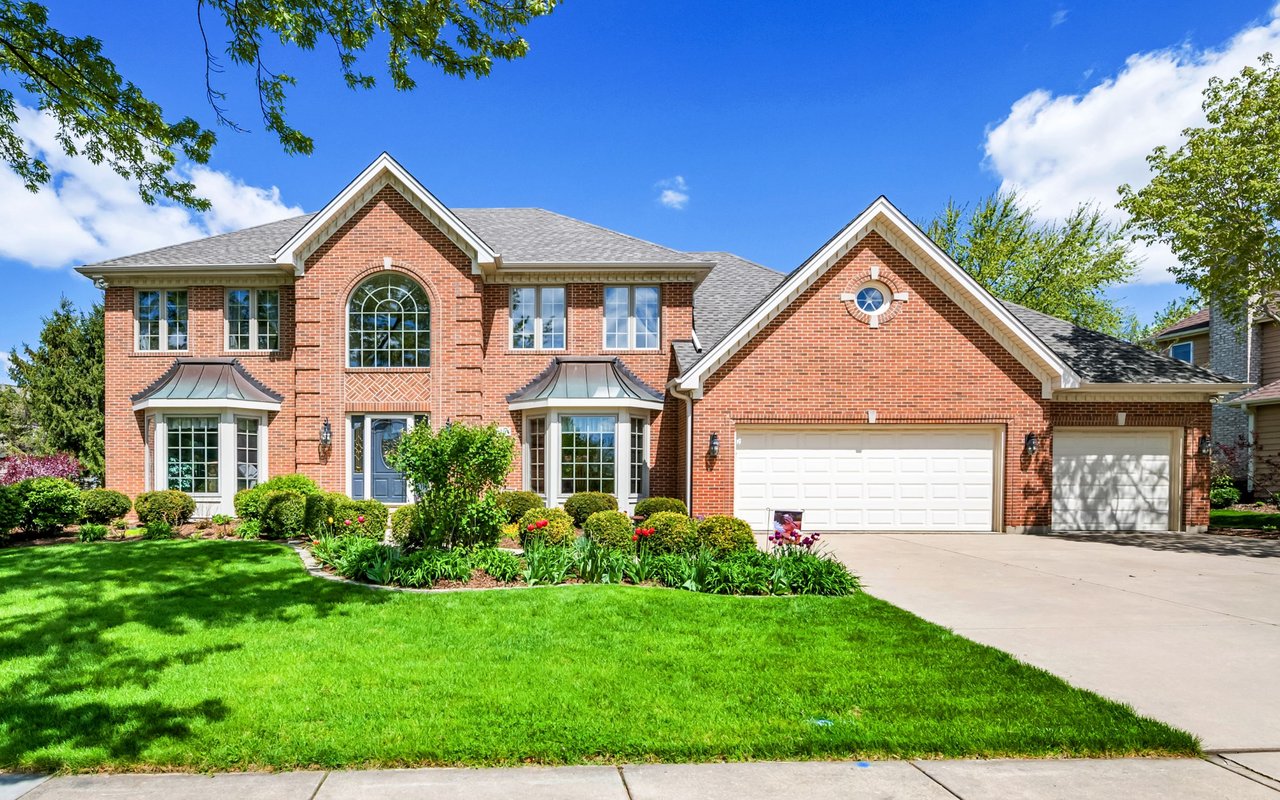
The most common home type is the suburban single‑family house. You will see post‑war and late 20th‑century ranches and split‑levels on modest lots in established subdivisions. Many are close to main roads for straightforward commutes and daily errands.
Newer planned communities
On the county’s edges, newer subdivisions offer larger lots, open floor plans, and modern finishes. Builders tend to concentrate on the western and northwestern fringes where new roads support growth. If you want energy‑efficient systems and a contemporary layout, this is a good place to focus.
Rural and mountain living
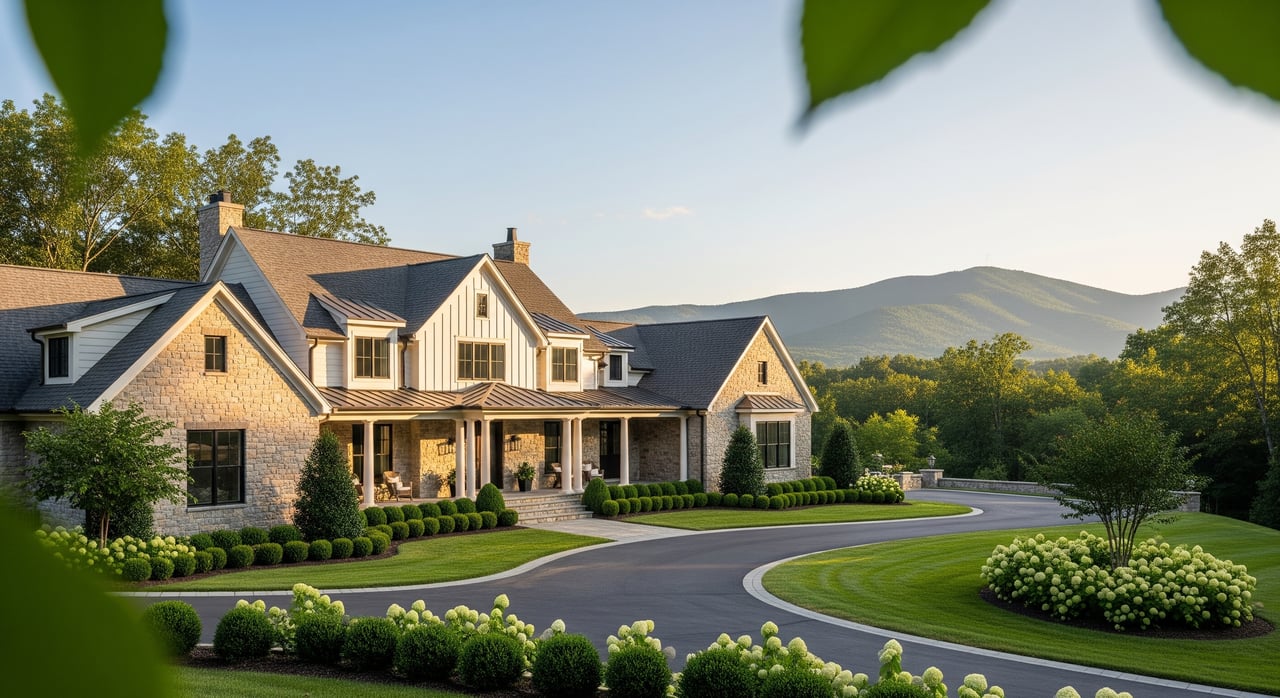
If you prefer more privacy, you will find farmhouses, larger lots, and mountain retreats in areas like Bent Mountain and farther west. These homes often come with acreage and private access roads. Many rural properties rely on well and septic systems, which you should evaluate during due diligence.
Historic and infill pockets
There are also pockets of older brick or colonial‑style homes near long‑established corridors. These areas appeal if you like classic architecture and mature trees while staying connected to everyday amenities.
Who thrives where
Commuter households
You might like established subdivisions or newer communities near primary arterials if you want a simple drive to city jobs. Popular features include 3 to 4 bedrooms, yard space, and nearby parks. Priorities often include proximity to groceries and healthcare with a reasonable commute window.
Outdoor‑focused lifestyle
If your weekends revolve around mountain biking, hiking, or paddling, consider areas with quick access to Carvins Cove, Explore Park, the Blue Ridge Parkway, and valley greenways. Homes with gear storage, space for a workshop, and easy trailhead access are common wants. Many outdoor‑minded buyers accept a longer commute for the lifestyle.
Downsizers and retirees
Single‑level living in quiet suburban enclaves or maintenance‑managed communities is a strong fit. Shorter drives to healthcare and everyday services rank high. Many also enjoy being a quick trip from downtown Roanoke’s museums, theaters, and festivals.
New‑build seekers
If you want modern systems, warranties, and open plans, focus on active builder communities on the county edges. Review HOA rules and fees and ask about future development plans for nearby land.
Investors and second‑home buyers
Smaller rentals near employment hubs and unique mountain properties can both work in this market. Be sure to review county rental rules and understand seasonal demand before you buy.
Parks, trails, and weekend plans
Roanoke County puts you close to the Blue Ridge Parkway for scenic drives and overlooks. Carvins Cove offers mountain biking, paddling, and fishing, and Explore Park brings riverfront recreation and trails. The valley’s connected greenways make it easy to walk, run, or ride without far‑flung drives. Many residents also join valley‑wide arts events, farmers markets, and community festivals.
Practical tips before you buy
Taxes and cost basics
Roanoke County property tax rates and insurance costs can differ from the independent City of Roanoke. Check current rates and typical tax bills with county sources. Budget for potential HOA fees and maintenance for systems like septic and wells where applicable.
Zoning and future development
The county planning office publishes zoning maps and future land‑use plans. Review these to understand potential nearby subdivisions, commercial corridors, or preserved green space. This helps you anticipate neighborhood change over the next 5 to 10 years.
Utilities and broadband
Service levels vary by location. Many rural properties use private wells and septic systems, so confirm condition and capacity during inspections. Broadband speeds differ by provider and area, so verify coverage if you work from home.
Environmental checks
Some ridge and creek‑side lots may sit in regulated zones. Consult county planning resources and FEMA flood maps during your evaluation. Ask about any hillside or drainage concerns noted in past inspections.
Commute reality check
Commute patterns are shaped by I‑81, I‑581, US‑220, and Route 419. Use live traffic tools during typical commute windows to validate your time bands. Plan your home search around a realistic window rather than best‑case assumptions.
Your Roanoke County search game plan
- Clarify priorities. List your must‑haves: commute window, outdoor access, floor plan, yard size, and budget comfort.
- Pick a commute time band. Decide what is manageable for you within the typical 30 to 40 minute range for many trips.
- Preview neighborhoods. Compare established pockets like Cave Spring and Hollins, small‑town convenience in Vinton, and rural options around Bent Mountain.
- Choose home type. Weigh established ranches and split‑levels versus newer open‑plan builds or acreage properties.
- Plan for utilities. Confirm public water and sewer versus well and septic, plus broadband speeds.
- Walk and drive test. Visit at different times of day, check traffic flows, and sample your daily route.
- Get market context. Ask for recent comparable sales, inventory trends, and days on market for your short list.
- Map future growth. Review zoning and planned projects so you understand what may change nearby.
- Build your offer strategy. Align contingencies, timelines, and negotiation approach with current market conditions.
How we help
You deserve a local guide who understands the Roanoke metro, from suburban family neighborhoods to acreage and second‑home retreats. With hands‑on buyer advocacy, clear process coaching, and relocation support for remote clients, you can move with confidence. If you are selling, expect polished marketing and thoughtful strategy supported by a collaborative team model.
Ready to explore homes and neighborhoods that fit your life in Roanoke County? Connect with Lisa Santacaterina to start your plan.
FAQs
How long is the commute from Roanoke County to downtown Roanoke?
- Many trips are under 30 to 40 minutes depending on where you live, your route, and traffic patterns.
What home styles and lot sizes are common in Roanoke County?
- You will find ranches and split‑levels on modest lots in established suburbs, newer open‑plan builds on larger lots at the edges, and rural properties with acreage in higher‑elevation areas.
How do I research Roanoke County schools and boundaries?
- Review official school system resources for current boundary maps, programs, and reports, and pair that with your housing short list during due diligence.
What outdoor options are within an easy drive?
- County residents often head to the Blue Ridge Parkway, Carvins Cove, Explore Park, and the valley greenways for hiking, biking, paddling, and scenic drives.
Is public transit widely available in Roanoke County?
- Bus service reaches parts of the county, but coverage is limited compared with urban areas, so most residents rely on driving and park‑and‑ride options.
Are utilities and internet reliable in rural parts of the county?
- Many rural homes use well and septic, and broadband speeds vary by provider and location, so confirm coverage and system condition during inspections.
What should I budget for beyond the mortgage?
- Plan for property taxes, homeowners insurance, any HOA dues, and maintenance items such as septic pumping or well service where applicable.
How can I check for future development near a property?
- Review county zoning and future land‑use plans and ask about proposed residential, commercial, or road projects that could affect the area over the next 5 to 10 years.