If you are torn between the energy of downtown Lynchburg and the quieter rhythm of the suburbs, you are not alone. Many buyers and movers want a home that fits both their budget and their daily routine, but those goals do not always point to the same place. The good news is that Lynchburg offers distinct lifestyle options, and understanding the tradeoffs can make your decision much easier. Let’s dive in.
What Downtown Lynchburg Feels Like
Downtown Lynchburg is the city’s historic core along the James River. It is known for walkable blocks, locally owned shops, coffee spots, restaurants, breweries, the Bluffwalk, and the Lynchburg Community Market.
City planning documents also show a clear long-term vision for downtown. The Downtown 2040 plan describes it as a thriving urban core with walkable streets, mixed-use activity, and stronger connections to transit and regional hubs.
If you want more activity close to home, downtown may feel like a natural fit. Your day-to-day routine can include shorter walks to local businesses, public spaces, and riverfront amenities.
What Lynchburg Suburbs Feel Like
Outside the urban core, Lynchburg includes a mix of traditional neighborhoods, conventional subdivisions, suburban areas, and newer mixed-use areas. The city’s planning framework points to corridor and outer-area reference points such as Wards Road, Wards Ferry Road, Route 221, Campbell Avenue/Odd Fellows Road, Graves Mill Road, Forest Brook, and Midtown.
For many buyers, suburban living is less about one specific label and more about how daily life is organized. You may have a more drive-based routine, different housing types, and a stronger focus on space, parking, and separation between home, work, and errands.
That does not mean one choice is better than the other. It simply means your best fit depends on what you want your week to look like.
Housing Options Compare Differently
Downtown Homes and Loft-Style Living
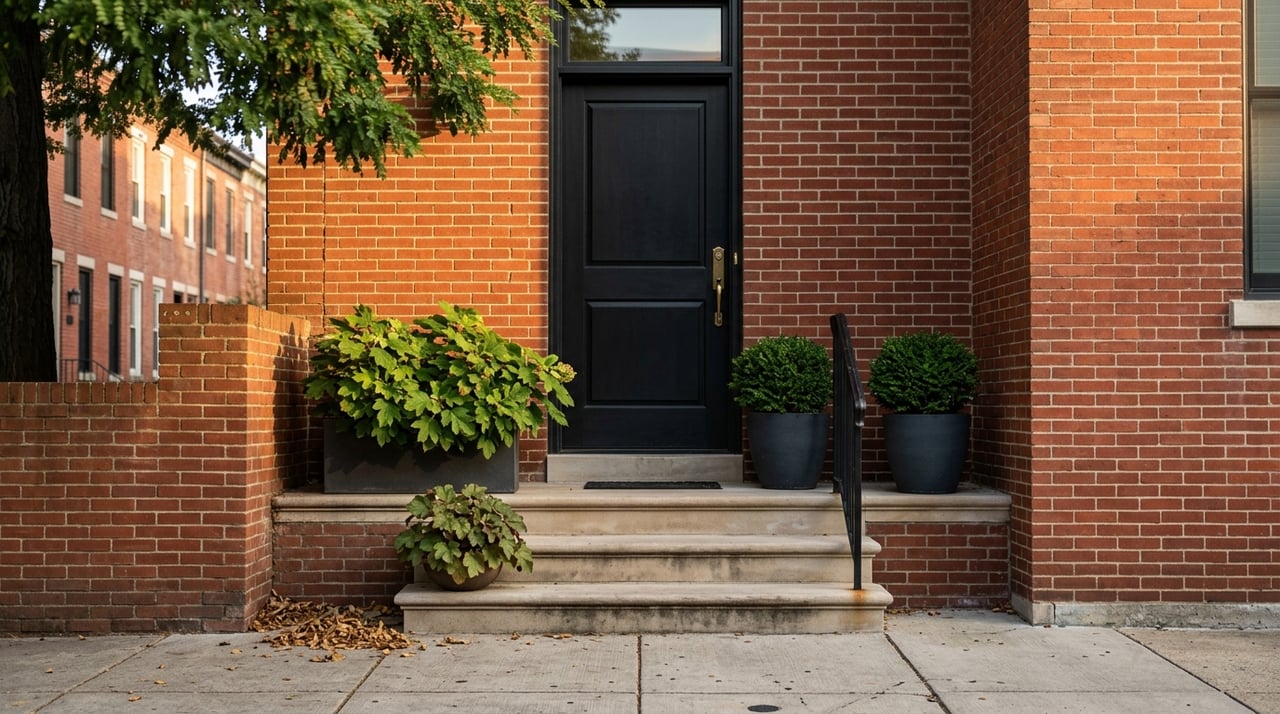
Downtown and near-downtown housing tends to be older and more varied. You will find restored early-1900s homes as well as historic factories converted into urban lofts.
If character matters to you, this part of Lynchburg stands out. Court House Hill has deep ties to the city’s government, business, finance, and religious history, while Rivermont, first planned in 1890, remains a major historic residential district with mostly single-family detached homes plus some duplexes and apartments.
Suburban Housing Mix
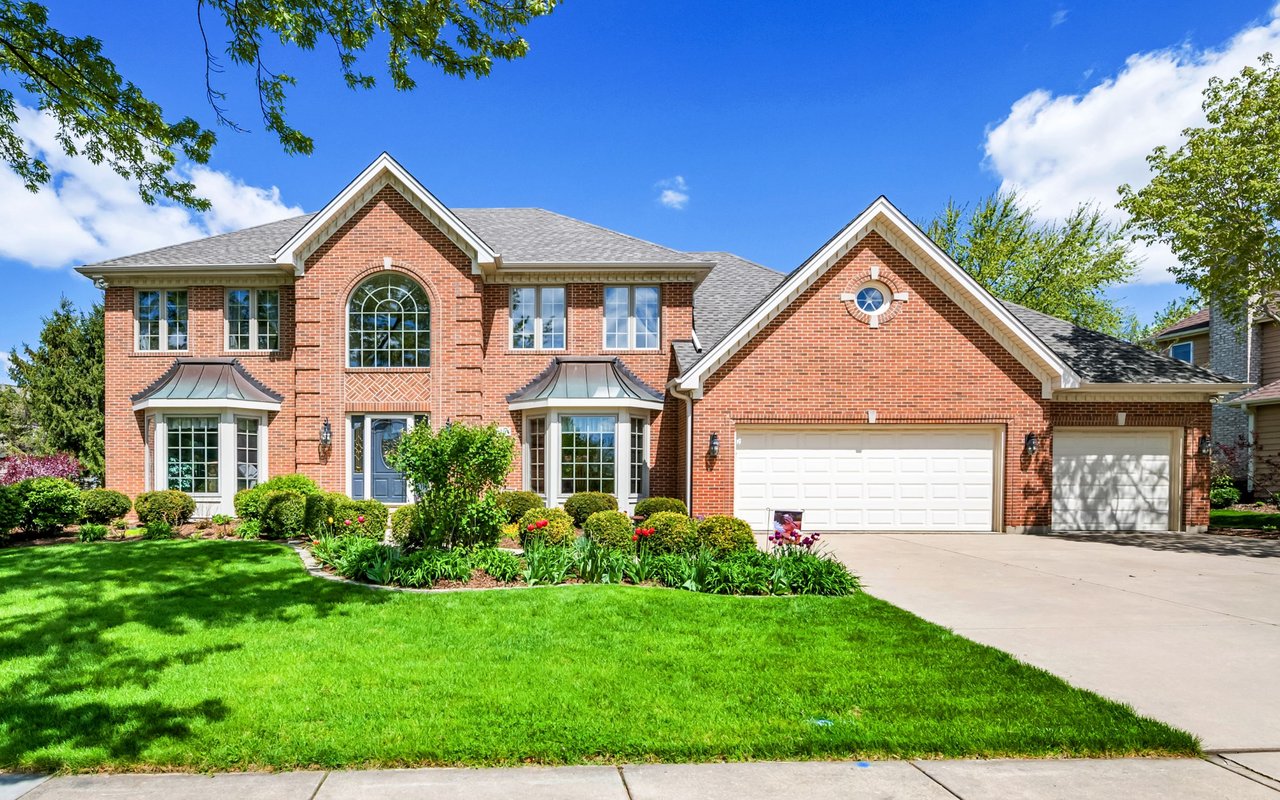
Suburban and outer-area housing often points buyers toward a different mix. In general, these areas are more ownership-heavy and are often associated with conventional subdivisions or lower-density residential patterns.
That can appeal to buyers who want a different layout for daily life. You may prioritize a larger lot, a more separated street pattern, or a home style that feels less urban and more drive-oriented.
Budget Matters, But So Does Housing Type
It is easy to assume the suburbs are always cheaper, but the numbers around Lynchburg tell a more nuanced story. In Lynchburg city, the median value of owner-occupied homes is $229,800, with an owner-occupied housing rate of 48.9% and median gross rent of $1,073.
In nearby counties, Campbell County has a median home value of $211,600 and an owner-occupied rate of 74.9%. Amherst County has a median home value of $212,400 and an owner-occupied rate of 80.8%. Bedford County has a median home value of $297,400 and an owner-occupied rate of 84.7%.
The takeaway is simple. A suburban choice around Lynchburg is not automatically cheaper. More often, it means a different housing mix, higher ownership rates, and a more car-dependent lifestyle, while downtown offers more rental, loft, and adaptive-reuse options.
Commute and Daily Convenience
Your commute can shape your quality of life just as much as your house itself. Lynchburg city has a mean travel time to work of 16.8 minutes, compared with 23.3 minutes in Campbell County and 24.9 minutes in Amherst County.
If your job, errands, or regular activities are centered in Lynchburg, moving farther out may mean more time in the car. That may be worth it for the home style you want, but it is smart to weigh that tradeoff early.
For some buyers, a few extra minutes of drive time is no big deal. For others, being closer to work, dining, trails, or community events becomes a daily advantage they feel right away.
Getting Around Downtown
Walking, Transit, and Trails
Downtown has Lynchburg’s strongest mix of walkability and transit-oriented planning. City documents emphasize streets that work for walking, biking, buses, and cars, along with stronger downtown connections to neighborhoods, colleges, and transportation hubs.
Lynchburg also offers 40 miles of urban trails and a riverfront downtown setting. That can make a real difference if you enjoy getting outside or want more options for moving around without driving everywhere.
GLTC currently offers fixed-route service, on-demand Flex trips, real-time tracking, and app-based fare tools. However, weekday and Saturday service continue while Sunday fixed-route, paratransit, and Flex service have been temporarily suspended beginning May 3, 2026 due to a bus-operator shortage.
Parking and Practical Access
Downtown living does not mean giving up on parking, but it often means thinking about it differently. The Downtown 2040 plan supports a park-once approach, which encourages people to park and complete multiple stops on foot.
The Community Market Lot is one practical example. The city lists it as having 57 spaces with free public parking and a 2-hour limit Monday through Saturday.
Lifestyle and Amenities
Why Some Buyers Prefer Downtown
Downtown Lynchburg offers a concentrated amenity set. That includes the Community Market, the Bluffwalk, riverfront trails, arts venues, and Riverfront Park’s amphitheater, which the city says can host up to 5,000 attendees.
The city’s downtown planning also focuses on improving streets, sidewalks, and public spaces to create a safer and more attractive environment. If you like having events, local businesses, and outdoor spaces close together, downtown can offer a very connected feel.
Why Some Buyers Prefer the Suburbs
Suburban-minded buyers often want a routine built around driving, parking ease, and more separation between commercial activity and home life. They may also be looking for a housing style or ownership pattern that feels more typical of outer neighborhoods and county settings.
Lynchburg’s neighborhood planning recognizes that residents across the city need regular access to food, parks, schools, and commercial services, with different solutions depending on the area. That means suburban appeal often comes down to how you want those everyday needs to fit into your schedule.
Questions to Ask Yourself First
If you are deciding between downtown and the suburbs, try asking yourself these practical questions:
- Do you want a home with historic character, loft features, or adaptive-reuse style?
- Would you rather walk to shops, dining, trails, or events?
- How much does your commute matter to your daily routine?
- Are you open to a car-light lifestyle, or do you expect to drive most places?
- Do you want more ownership-heavy areas or more rental and mixed housing options?
- Are you comparing city living with nearby county living based on budget alone, or also on lifestyle?
These questions can help you focus on fit instead of assumptions. In many cases, the right choice becomes clearer once you picture your regular week, not just your ideal weekend.
Finding Your Best Fit in Lynchburg
There is no one-size-fits-all answer in Lynchburg. Downtown offers walkability, historic character, loft and restored-home options, and a stronger connection to trails, public spaces, and local businesses.
The suburbs and outer areas offer a different rhythm, often with higher ownership rates, a more drive-based routine, and housing choices that may appeal to buyers looking for a less urban setup. The right move depends on how you want to live, what kind of home you want, and where your time is spent most often.
If you want help sorting through neighborhoods, commute patterns, and housing options with a practical local perspective, Lisa Santacaterina can help you compare your choices and move forward with confidence.
FAQs
Is downtown Lynchburg more walkable than the suburbs?
- Yes. Downtown Lynchburg has the city’s strongest mix of walkability, trails, and transit-oriented planning, along with concentrated access to shops, dining, and public spaces.
Are suburban homes around Lynchburg always less expensive?
- No. Campbell and Amherst counties show lower median home values than Lynchburg city, but Bedford County’s median home value is higher, so price depends on the specific area.
Can you live in downtown Lynchburg without a car?
- A car-light lifestyle is more realistic downtown than in outer areas because of walkability, trails, and GLTC service, but current Sunday transit service suspensions make fully car-free living less practical.
Which Lynchburg areas have the most historic character?
- Court House Hill and Rivermont are two of the city’s strongest historic reference points, with Rivermont especially known for its large historic residential district.
Does living farther outside Lynchburg usually mean a longer commute?
- Often, yes. Lynchburg city’s mean travel time to work is 16.8 minutes, compared with 23.3 minutes in Campbell County and 24.9 minutes in Amherst County.