Curious what it actually feels like to live in Bedford, Virginia? If you are drawn to small-town pace, older homes with character, and easy access to the mountains, Bedford offers a mix that stands apart from more conventional suburban options near Roanoke and Lynchburg. This guide will help you understand Bedford’s setting, housing styles, lifestyle appeal, and what to keep in mind if you are considering an older home here. Let’s dive in.
Why Bedford feels like a true small town
Bedford is a compact town in the Blue Ridge foothills with an estimated population of 7,823 as of July 2024. According to the U.S. Census QuickFacts for Bedford town, the town covers 8.72 square miles, has a 55.5% owner-occupied housing rate, a median owner value of $192,600, and a mean commute time of 20.4 minutes.
That scale matters when you are thinking about day-to-day life. Bedford is large enough to offer local businesses, recognizable landmarks, and a defined downtown, but small enough to feel manageable and connected. The town is also about 25 miles from both Roanoke and Lynchburg, which can make it appealing if you want small-town living with access to larger regional hubs.
Downtown Bedford and daily life
The town describes downtown Bedford as the heart of the community, and that local focus shows up in its ongoing planning efforts. The downtown action strategy emphasizes revitalized buildings, local events, improved design, tourism promotion, and support for small businesses.
If you are picturing daily life here, that means the strongest walkable experience is generally in the core of town rather than evenly spread across every area. Bedford’s comprehensive plan says the town has an extensive sidewalk network within its corporate limits, although some public streets do not have sidewalks, so walkability can vary depending on where you live.
The same town materials point to Centertown as a place where arts, music, and local restaurants are part of everyday life. For buyers who want a setting with local identity rather than a more uniform subdivision feel, that is an important part of Bedford’s appeal.
Bedford’s housing mix at a glance
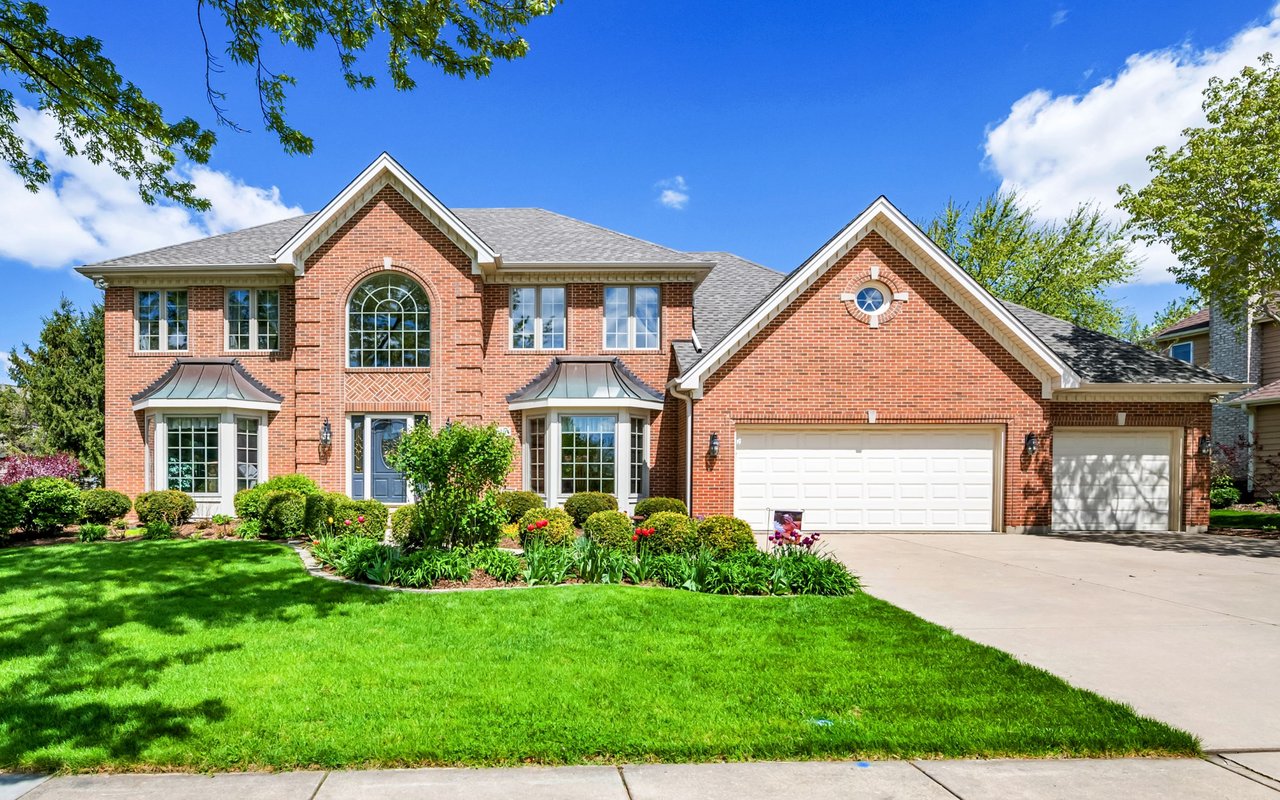
One of Bedford’s most interesting features is that its housing stock is not one-note. Instead of a single dominant home style, you will find a mix shaped by different eras of growth, especially in and around the historic core.
The town’s comprehensive plan notes that much of Bedford’s housing stock is comparatively old, while also recognizing that there is still demand for historic properties and renovation opportunities. It specifically identifies Bedford Avenue, Grove Street, and North Street as places where some redevelopment has already occurred.
For you as a buyer, that can mean more variety in lot layouts, architectural details, and renovation potential. It can also mean you need to look more closely at upkeep, energy efficiency, and permitting than you might in a newer neighborhood.
Historic home styles in Bedford
Bedford’s historic core is listed as a National Register historic district with residential, commercial, and industrial areas that reflect 19th- and 20th-century architecture. The Virginia Department of Historic Resources identifies styles in the district including Greek Revival, Italianate, Colonial Revival, Spanish Colonial Revival, and other later residential forms.
That range gives Bedford a layered look. Some homes may have more formal proportions and traditional detailing, while others reflect the simpler lines of early 20th-century design. If you appreciate architecture that feels distinct from house to house, Bedford offers that kind of visual variety.
Avenel, one of Bedford’s signature historic residences, is described by DHR as a Federal and Greek Revival house. While most buyers will not be shopping for a landmark property like that, it helps illustrate the depth of Bedford’s architectural story.
Bungalows, Cape Cods, and mid-century homes
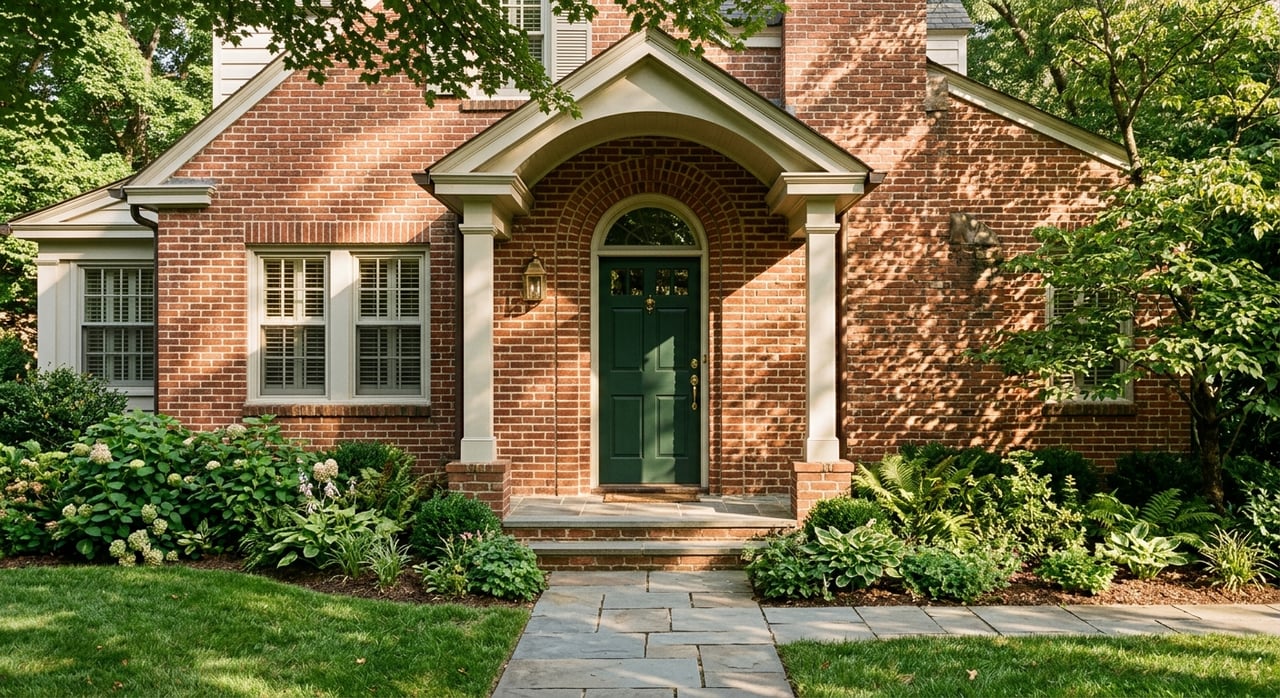
Bedford is not only about high-style historic homes. The district nomination also documents a strong early- and mid-20th-century residential layer, including bungalows, Tudor-bungalow hybrids, American Foursquares, Dutch Colonial houses, and 1950s Cape Cods.
That is good news if you want charm without taking on a large historic estate. In practical terms, Bedford’s housing mix may offer:
- Smaller bungalow-style homes with efficient layouts
- Foursquares with more vertical space and defined rooms
- Cape Cods from the postwar era
- Older in-town homes with renovation potential
- A less uniform streetscape than you might find in newer subdivisions
This variety can make Bedford appealing to first-time buyers, downsizers, and buyers who simply want a home with more personality.
What to expect from older homes
If you are considering an older Bedford home, character and maintenance often go hand in hand. Original details, mature lots, and established streets can be part of the draw, but older homes may also require a more thoughtful ownership plan.
The town’s building inspections office states that permits are required before construction, alteration, renovation, repair, change of use, demolition, or relocation of a structure. At the same time, Bedford permit guidance notes that routine residential roofing, siding, and window or door replacement are among the items that do not require a building permit.
That distinction matters when you are budgeting for updates. Cosmetic work may be more straightforward, but larger renovation plans usually call for early research and coordination. If a property is outside town limits, permit oversight is handled by the county instead.
Moisture and maintenance basics
With older homes, moisture control is one of the biggest issues to watch. According to the National Park Service preservation guidance on moisture control, many moisture problems in old buildings are best managed through regular maintenance, repairs, roof and ground moisture control, and improved ventilation.
The same guidance recommends routine inspections for leaks, musty odors, and blocked drains, especially around rainfall. For you as a buyer, that means an older home should be evaluated not just for style and layout, but also for drainage patterns, ventilation, and signs of water intrusion.
A home with good bones can still need practical improvements. Going in with a realistic maintenance budget can help you enjoy the charm without feeling surprised later.
Energy efficiency in older houses
Another common factor in older homes is insulation and air leakage. The U.S. Department of Energy’s weatherization guidance explains that many older homes have less insulation than newer ones and may benefit from air sealing, added insulation, and other weatherization updates.
The DOE also notes that old exterior doors can contribute significantly to air leakage if they are uninsulated or poorly sealed. In Bedford, where older housing is part of the local inventory, it is smart to think beyond paint colors and finishes. Comfort and operating costs often improve with targeted efficiency upgrades.
When you tour homes, it can help to pay attention to:
- Drafts around doors and windows
- Signs of older insulation or limited insulation
- Ventilation in attics, basements, or crawl spaces
- Condition of gutters and drainage paths
- Whether recent updates appear cosmetic or more system-focused
Outdoor access is part of the lifestyle
Small-town living in Bedford is not just about the homes. It is also tied to the surrounding landscape and recreation. The town highlights major regional destinations including the National D-Day Memorial, the Elks National Home, Avenel Plantation, Thomas Jefferson’s Poplar Forest, Smith Mountain Lake, the Blue Ridge Parkway, and the Peaks of Otter on its about Bedford page.
That blend of heritage tourism and outdoor access adds to Bedford’s identity. The National D-Day Memorial alone reports about 60,000 annual visitors, which speaks to the town’s visibility and historical significance.
For outdoor time, the Peaks of Otter trail system offers options that range from the steep Sharp Top Trail to the ADA-accessible one-mile Abbott Lake Trail loop. If you want a home base with easy access to mountain scenery and day-trip recreation, Bedford has a strong case.
It is worth noting that access conditions can change. In March 2026, the National Park Service announced a closure on Blue Ridge Parkway mileposts 86 to 89 near Bedford for road rehabilitation, with access to the Peaks of Otter developed area available via VA Route 43.
Who Bedford may fit best
Bedford can be a strong fit if you want a town with a recognizable center, a housing stock that includes older and more distinctive homes, and close proximity to outdoor recreation. It may especially appeal to buyers who value character, local history, and a pace that feels more grounded than a typical suburban corridor.
It can also work well if you are open to the realities of older housing. Some homes may need updates, some streets may feel more walkable than others, and your ideal property may require balancing charm with renovation goals.
That said, for many buyers, that is exactly the point. Bedford offers a lifestyle shaped by history, local identity, and the Blue Ridge setting around it.
If you are exploring Bedford or comparing it with other communities around the Roanoke region, working with a local guide can help you sort through home style, condition, location, and long-term fit. When you are ready to talk through your goals, Lisa Santacaterina can help you navigate the process with clear, practical guidance.
FAQs
What is small-town living like in Bedford, VA?
- Bedford offers a compact setting with a defined downtown, local events, nearby restaurants, and access to both Roanoke and Lynchburg, while still maintaining a smaller-town pace.
What home styles can you find in Bedford, VA?
- Bedford includes a mix of historic and early- to mid-20th-century homes, including Greek Revival, Italianate, Colonial Revival, Spanish Colonial Revival, bungalows, American Foursquares, Dutch Colonials, and 1950s Cape Cods.
Are older homes common in Bedford, VA?
- Yes. Bedford’s comprehensive plan says much of the town’s housing stock is comparatively old, and that creates opportunities for buyers interested in historic homes and renovation projects.
Do you need permits to renovate a home in Bedford, VA?
- Bedford requires permits for many types of construction, alteration, renovation, repair, demolition, and relocation work, though some routine items like roofing, siding, and window or door replacement do not require a building permit.
What should buyers watch for in older Bedford homes?
- Buyers should pay close attention to moisture control, drainage, ventilation, insulation, and air leakage, since older homes often benefit from maintenance and energy-efficiency improvements.
What outdoor attractions are near Bedford, VA?
- Bedford is close to the Peaks of Otter, the Blue Ridge Parkway, Smith Mountain Lake, and several heritage destinations such as the National D-Day Memorial and Poplar Forest.